BACKGROUND
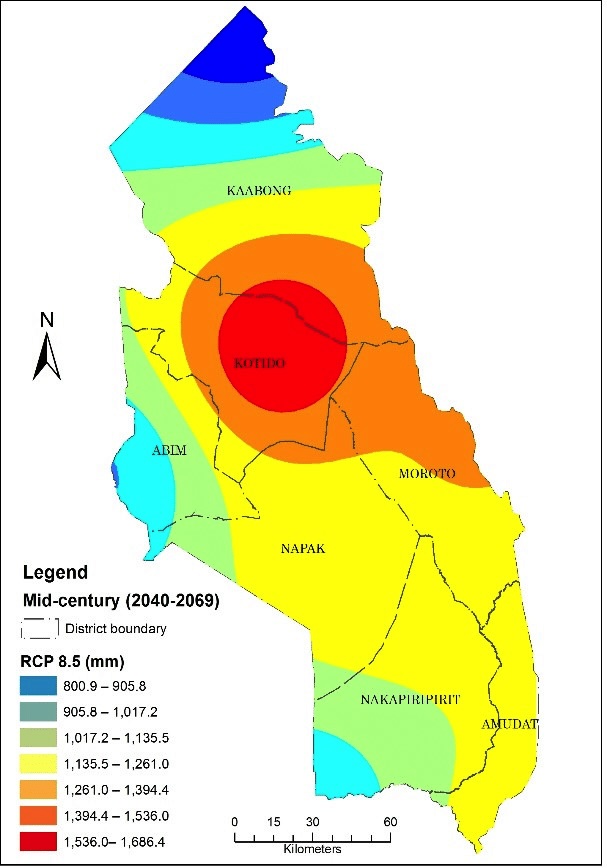
Karamoja District in Uganda is one of the most impacted regions due to climate change in the country. There is an overall rise in temperature by 2 degrees in last 5 years. There is a minimum rainfall in regions where drought happens with below 22 mm per annum and areas where the rainfall is over 3000mm leading to floods in areas near lake Victoria. There is sudden rise in vector borne deaths, loss of live-stock and loss in agriculture produce. The region is facing climate emergency and there is a lot of climate related migration & displacement happening to nearby towns and districts..
Fig1: Rainfall Distribution in Mid-century (2040-2069)
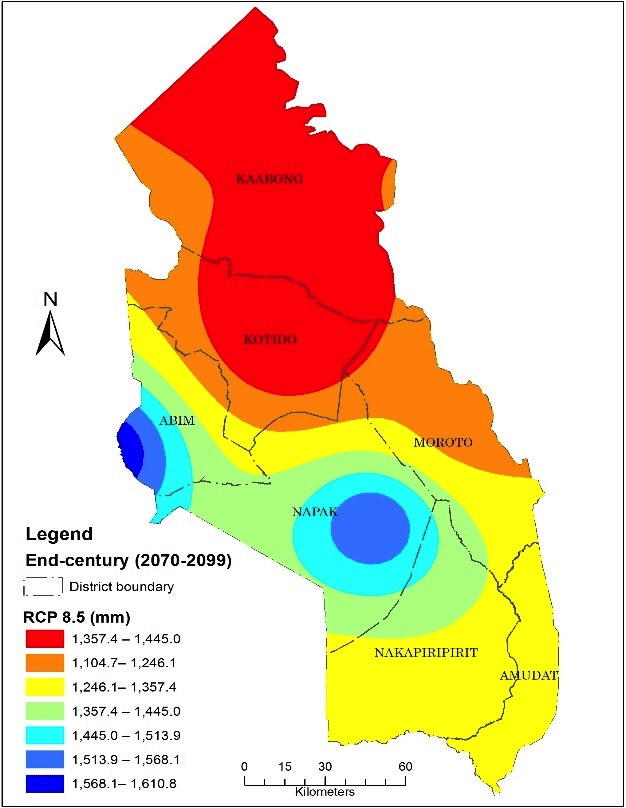
Fig2: prediicted rainfall Distribution in End -century (2070-2099)
SOLUTION
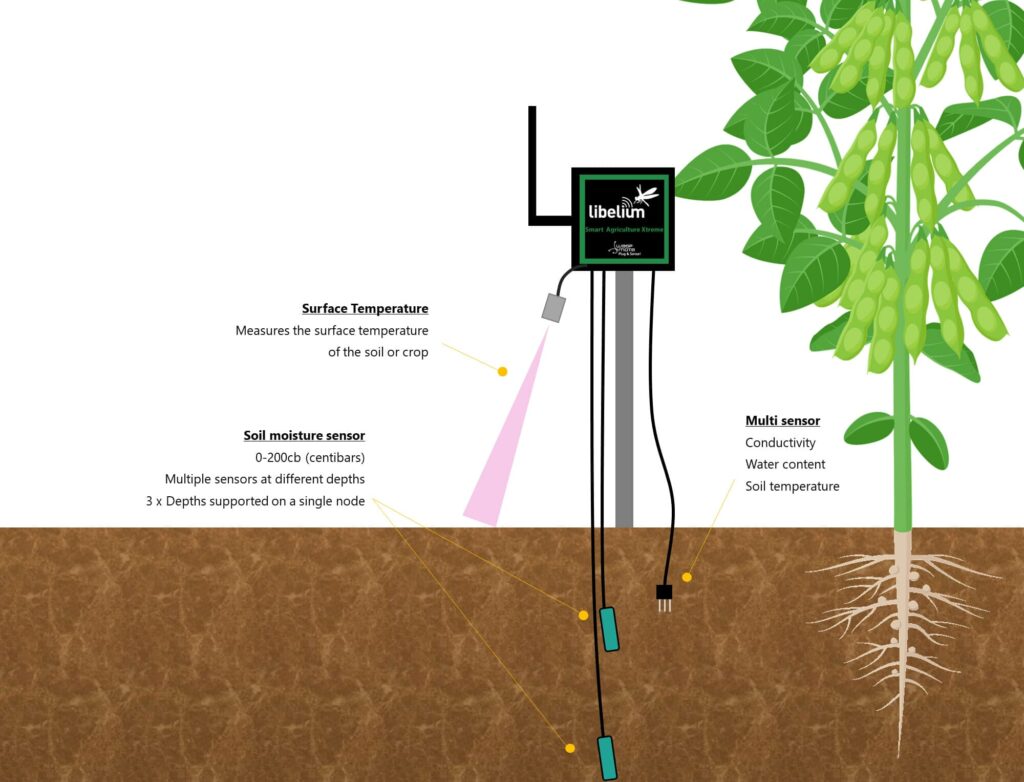
ZMQ Global in partnership with Qaff Africa Foundation has setup up Active Community-led Climate Resilience Action Strategy (ACCRAS) in Uganda’s Karamoja district with aim to harness IoT in agriculture for climate resilience. The strategy will also involve women in Self-Help Groups (SHGs) and Organised Human Networks (OHNs), especially rural women, as the primary data collection points. Key data areas include:
- 1. Vector-borne diseases such as malaria, lymphatic filariasis, sleeping sickness etc
- 2. Infectious diseases such as tuberculosis (TB), pneumonia etc.
- 3. Agricultural trends such as crop yield changes, lowered livestock productivity.
The collected data will be used to guide the design of adaptive agricultural and livestock practices tailored to the local climate conditions. The goal is to enhance resilience against climate-related challenges and promote sustainable practices in the region. By involving SHGs and OHNs, this approach empowers local women and communities to take an active role in climate action and resilience building
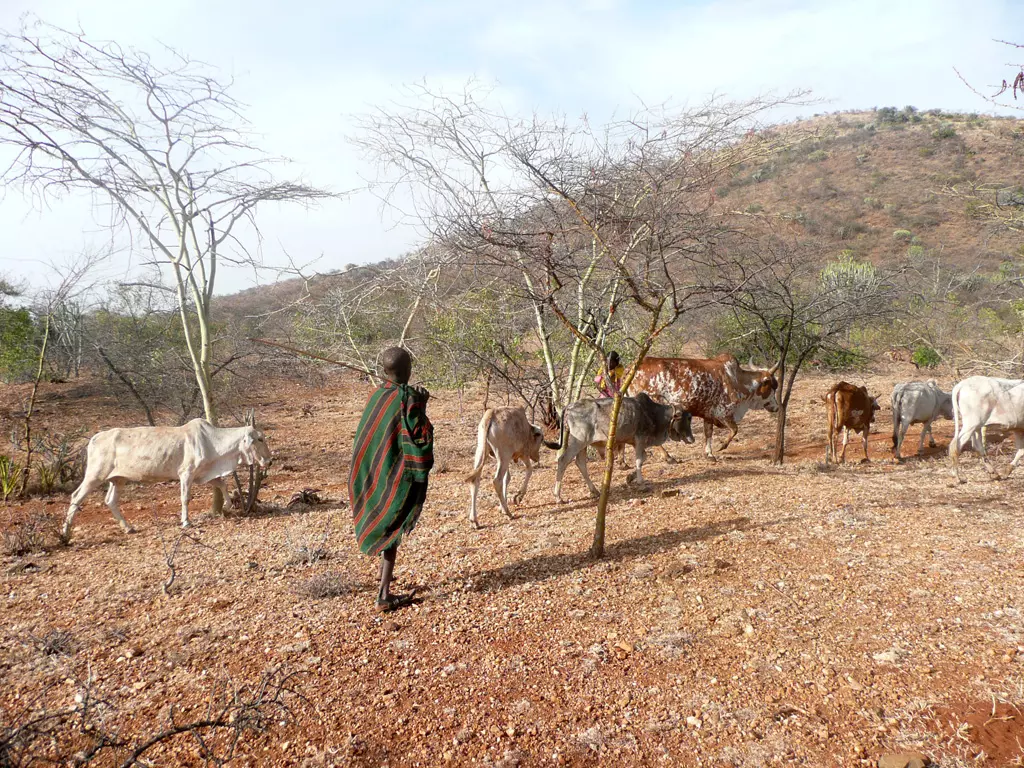
Climate Change Impact on Karamoja Farms and Cattle
STAGE of ACCRAS
- ACCRAS Solution for initial phase has 3 key components:
- A. Village-level district climate resilience resource centre based on the principles of Data Justice (community driven data centres with local knowledge:
- Mobile based tools in the hands of rural women organised under SHGs & Organised Human Networks with micro-level village data on ClimateX- Health based in Epidemiological model of reporting health indicators from villages on vector borne diseases (including indicators like mortality, motility, outbreaks and other disease indicators;
- Reporting System on Climate indicators like change in temperatures, rainfall, floods, droughts, cyclone etc. This data from ground is complemented by macro-level partial data sourced from Karamoje District Metrological Centre.
- Establishing Digital Resource Centre of sourced grass-root data from the rual women groups with data analysis and predictions platforms –
Mobile/IoT Tools Server for Data Collection Data Analytics and AI
- Building Climate Resilience Green villages
- Women trained in 1 Model village in Karamoje to set up solar equipment- Home and street lighting, cooking, tube-wells and other village needs;
(Village women as Solar Engineers)
- Will prepare a White paper of Green Energy grid to be recommended to the local authorities.
- Climate resilient Agriculture & Livestock Management Practices (based on One Health)
- Training local farmers and women on new agricultural practices under the current changing Climate-X conditions’
- Set up a digital resources centre of practices for climate resilience agriculture and livestock management.